
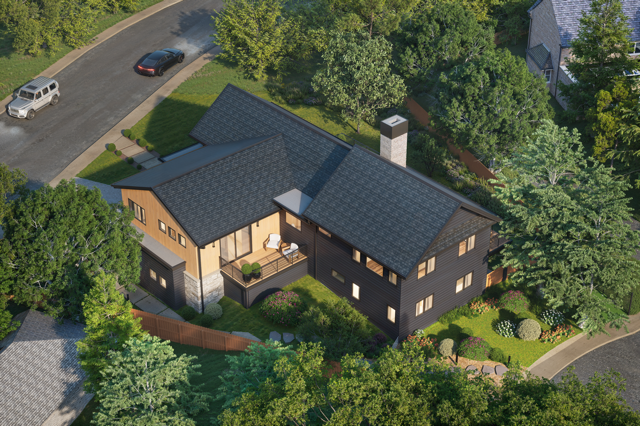
Our team is currently immersed in an addition project in Boulder, giving us firsthand insight into the changes homeowners planning similar work need to know. As of July 1, 2026, unincorporated Boulder County is operating under a new building code. If you’re considering a remodel or addition on a property in the unincorporated county, it’s important to understand the new regulations before you begin—and if your property is inside city limits, it’s worth confirming which code actually applies to you.
What Changed in Boulder County Building Code?
Boulder County has adopted the 2021 International Codes with local amendments, and the update is more than just a paperwork refresh. The county has introduced requirements for energy efficiency, sustainability, and ignition-resistant construction—all aimed at preparing homes for a changing climate and aligning with statewide wildfire-resilience standards. The updated code applies to building permit applications submitted on or after July 1, 2026. Projects with permits in process before that date generally remain under the prior rules, while anything filed after falls under the new requirements.
It’s worth being precise about where this applies: these changes govern unincorporated Boulder County only. Cities and towns within the county—including the City of Boulder, Longmont, Louisville, Lafayette, and others—adopt and enforce their own building codes independently, on their own timelines.
The City of Boulder, for example, is currently operating under a different code entirely. The city adopted the 2024 International Code Council suite with its own local amendments, which took effect August 1, 2025, along with its own 2024 Energy Conservation Code (effective December 1, 2024) and 2023 National Electrical Code (effective August 1, 2023). So if your property is inside city limits rather than unincorporated county land, the July 2026 update discussed here doesn’t apply to you directly—your project falls under the city’s rules instead, which is a good first question to settle before you get too far into planning.
A practical benefit of the new code is that it improves the county’s Building Code Effectiveness Grading Schedule (BCEGS) rating. While this may sound technical, insurers use the rating to assess a community’s commitment to code enforcement, which can lead to more favorable insurance outcomes for homeowners at renewal time.
Why It Matters If You’re Planning a Remodel or Addition
If you are renovating in Boulder County, pay attention to three key factors:
Energy performance requirements are becoming more specific. Additions and substantial remodels now often require energy rating and efficiency documentation. These requirements, once exclusive to new construction, are appearing more frequently in renovation projects. As a result, decisions about insulation, mechanical systems, and the building envelope should be made with the new benchmarks in mind from the beginning—not after the design is finalized.
Wildfire-resilient construction is now required in many cases. With the county’s alignment to statewide wildfire standards, materials and assemblies for exterior work—such as roofing, siding, decks, and vents—are subject to increased scrutiny, especially in wildfire-interface zones. If your remodel affects the building envelope, discuss these requirements with your builder early in the process, before materials are ordered.
The timing of your permit application matters. Since the new code is triggered by the application date—not the construction start date—when you file can make a significant difference. If you’re undecided about starting a project, consult a builder to determine which rules will apply to your specific plans.
The Bigger Picture
These changes aren’t meant to make renovations more difficult. The county’s goal is resilience: homes that perform better during wildfires, cost less to heat and cool, and hold their value better over time as insurance markets increasingly reward well-built homes. However, renovation planning standards have shifted. A remodel or addition that once easily passed code review may now require different strategies, documentation, or permitting sequences.
That’s exactly the kind of shift where having a builder who’s already fluent in the new requirements saves real time and money. On our current Boulder project, working through current standards from the design phase forward has meant fewer surprises at permit review, not more.
If you’re weighing a remodel or addition in Boulder County, now is a good time to have that conversation before drawings are finalized rather than after.
If you’re planning a remodel or addition in Boulder County and want to understand how the new code applies to your project, reach out to Chanin Development; we’d be happy to walk through it with you.