
Housing has been a central topic in Colorado for years. Rising prices, a shortage of homes, higher interest rates, and steady population growth have kept affordability front and center across nearly every Front Range community. While Colorado continues to grow in some areas, the pace has slowed from recent highs, and certain regions are seeing stabilization or even population declines. Even so, affordability pressures and inventory constraints remain persistent across much of the state.
But one of the more interesting shifts happening right now is not just about how much housing is needed. It’s about the growing recognition that people are looking for new ways to live that better fit their lifestyles.
A recent article in Multifamily Dive explores the rise of dedicated rental communities and build-to-rent neighborhoods. What stands out is that this isn’t framed as a passing trend, but as a response to evolving economic realities and changing household needs.
For a long time, the U.S. housing narrative was fairly linear: renting was a step toward ownership. Today, that path looks far less uniform.
In Colorado, many residents find themselves in a middle ground. Apartment living may no longer fit—especially for those who want more space, privacy, or long-term stability. At the same time, higher home prices and tighter lending conditions have made ownership more difficult to access, even for households that previously expected to buy. That gap is where townhomes, multifamily developments, and build-to-rent communities are increasingly being discussed—not as niche products, but as part of a broader housing system.
The takeaway from the current wave of industry coverage is not that rental communities are the solution to the housing shortage. It’s that housing itself is becoming more layered, and communities may need a wider range of housing types than they’ve historically planned for.
Along Colorado’s Front Range, this conversation is especially relevant. Even as growth patterns normalize in some areas, supply has not kept pace with long-term demand, and what is being built does not always align with what residents can afford or what their lifestyles require.
That raises a practical question for planners and developers: what combination of housing types creates communities that are both financially accessible and functionally livable over time? That mix is likely to include multifamily housing, townhomes, dedicated rental communities, mixed-use developments, and attainable for-sale housing. Each plays a different role in meeting demand and supporting a more balanced housing ecosystem.
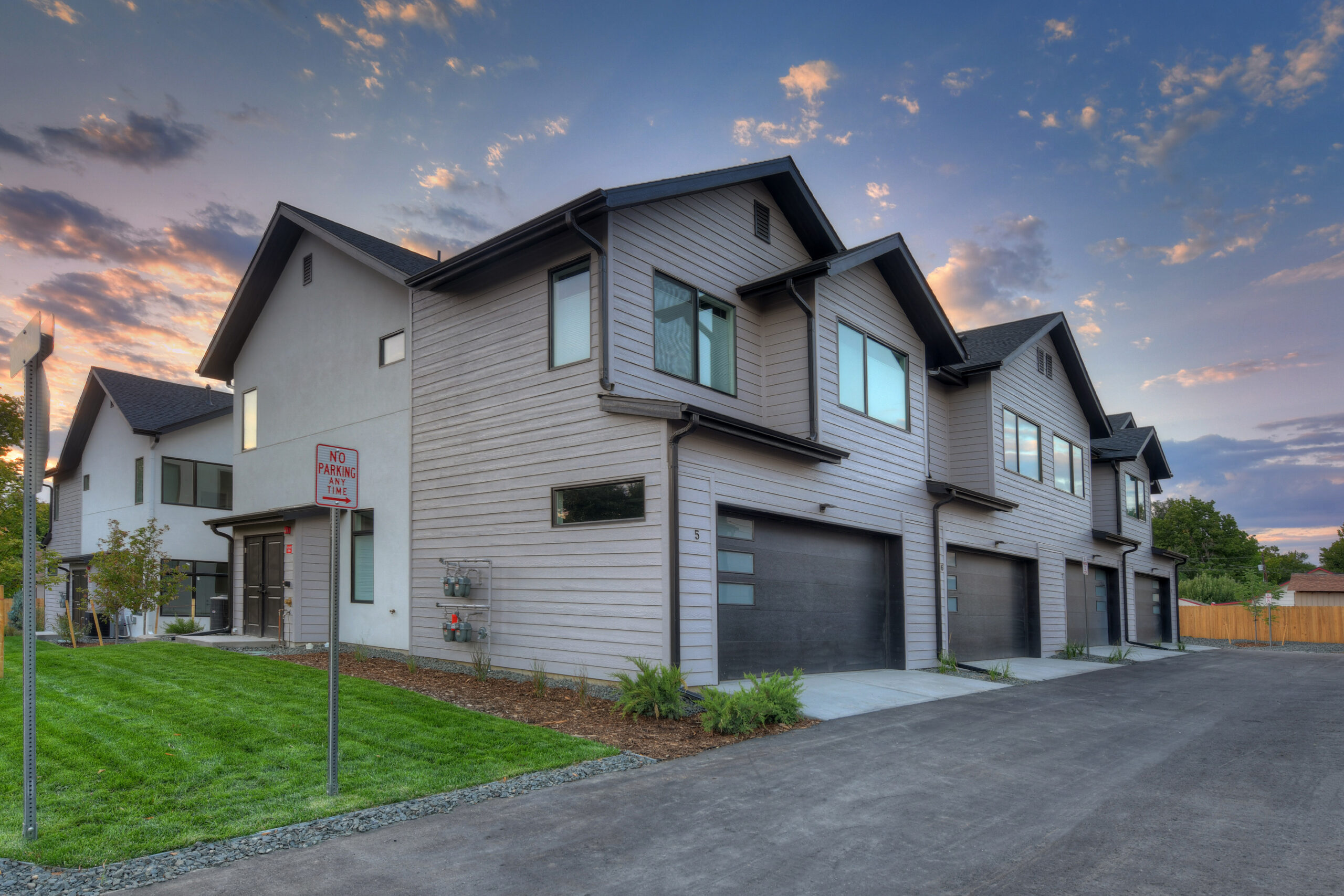
Projects like Chanin Development’s East Side Townhomes in Longmont reflect this evolving approach. These kinds of developments sit between traditional single-family housing and large-scale multifamily housing, offering another option in a market where choice is increasingly important.
What’s becoming clearer is that the housing conversation is less about choosing one model over another and more about understanding how different models work together. In a state as diverse as Colorado—economically, geographically, and demographically—that flexibility may be one of the most important factors in shaping long-term housing outcomes.
The bigger point isn’t that rental communities are the only answer. It’s that Colorado needs a broader mix of housing types than it has built in the past.
Along the Front Range, growth has moderated in some areas, but affordability pressures remain. The real question for many communities is not just how much housing is needed, but what kinds of homes will help them thrive long term.
Increasingly, the answer is likely not one model over another—but a combination that reflects how people actually live today.