
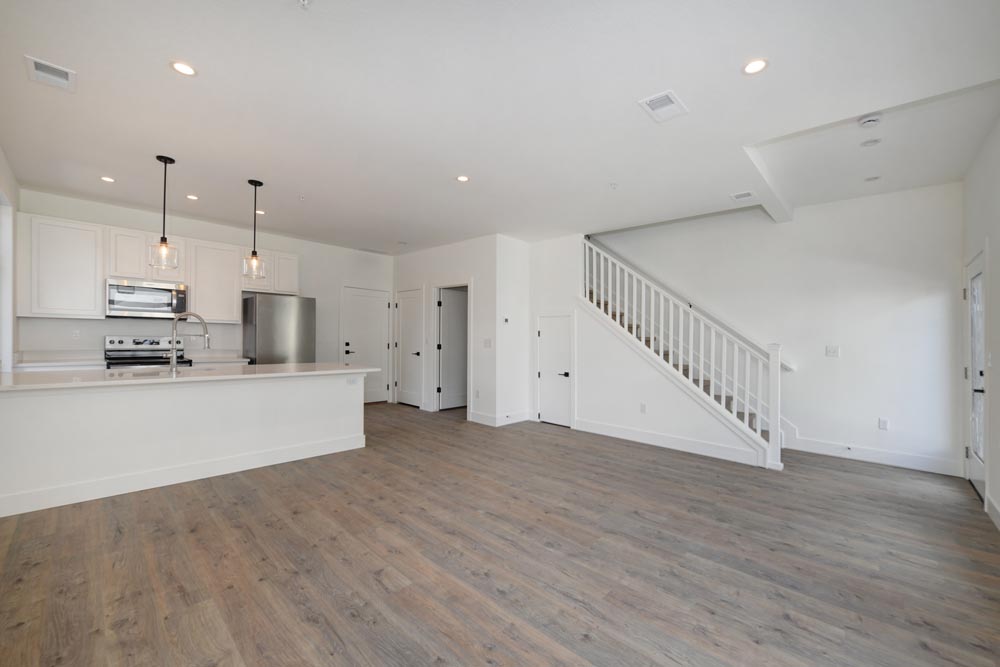
Starting in 2028, an empty house in Boulder will cost its owner about $4,000 a year on top of everything else. Voters approved the city’s new vacancy tax on Nov. 3. If you own a home here that sits empty most of the year, you have about a year to decide what to do with it.
What Boulder’s Vacancy Tax Includes
The basics are simple. A home counts as vacant if it’s occupied 183 days or fewer in a year. Owners of those homes will pay about $4,000 a year starting Jan. 1, 2028. The amount rises with inflation over time, up to a cap of $7,000, and the money goes to general city services.
The rules for tracking and verifying vacancies aren’t written yet. City Council will adopt an ordinance with those details in 2027, before the tax takes effect (City of Boulder). It’s expected to be Colorado’s first vacancy tax.
Who Pays the Vacancy Tax
The tax targets homes that aren’t lived in for most of the year. That includes:
- Second or vacation homes used a few months at a time
- Inherited houses that haven’t been sold, rented, or moved into yet
- Properties sitting between plans while an owner decides whether to renovate, rent or sell
If your property is lived in more than half the year, by you or a tenant, this tax doesn’t apply. The city is also considering possible exemptions for properties undergoing major renovations, owners with medical or personal hardship absences, and other special cases. Final exemption criteria will be available when the City Council finalizes the ordinance in 2027, but if you think your situation might qualify, it’s a good idea to keep records and check for updates from the city.
Options for a Vacant Boulder Home: Remodel, ADU or Sell
Remodel and rent it long-term. Homes that have been vacant often need updates—sometimes it’s kitchens and baths, other times it’s systems or energy upgrades—before they’re ready for a tenant. Bringing in a long-term renter not only keeps the house occupied but also provides steady income to help offset the new tax.
Add or convert an ADU. Boulder now allows accessory dwelling units on most residential lots. Converting a garage, finishing a basement, or building a backyard cottage can provide flexible options—whether it’s housing a tenant, accommodating a family member, or increasing your property’s value. These projects do require planning and permits, so starting early is key.
Get it ready to sell. If you don’t plan to use the property, making targeted repairs and updates before listing can help it sell faster and maximize your return. In Boulder County’s competitive market, even small improvements can make a big difference.
What about short-term rentals? In the City of Boulder, short-term rentals (29 days or less) are only allowed in the owner’s principal residence, the home they live in more than half the year. That means a second home generally can’t be turned into a vacation rental. For most owners of a vacant property, long-term renting, an ADU or selling are the realistic paths.
Whichever way you go, start early. Design, permits, and construction all take time, and contractors book up. For example, a typical remodel usually takes 6 to 9 months from initial design to completion, including 2 to 3 months for permitting and approvals. Adding or converting an ADU often takes 9 to 12 months, depending on the project’s scope and complexity. If you want the work done before 2028, start planning in 2027 at the latest to avoid a last-minute rush.
Plan Your Project with a Boulder Builder
The city will publish the final rules in 2027, but you don’t need to wait to review your options. To get ahead of the rush, start gathering paperwork and records about your property’s current use, utility bills, and any recent work done. Begin researching local contractors, getting referrals, and collecting estimates for updates, remodels, or new units. If you are thinking about selling or renting, scheduling consultations now can help you map out a timeline and avoid delays as the deadline approaches. Chanin Development builds and remodels homes in Boulder. If you have a property that’s sitting empty, we’re happy to walk through it with you and figure out what it would take to get it lived in.